
4/4 stars
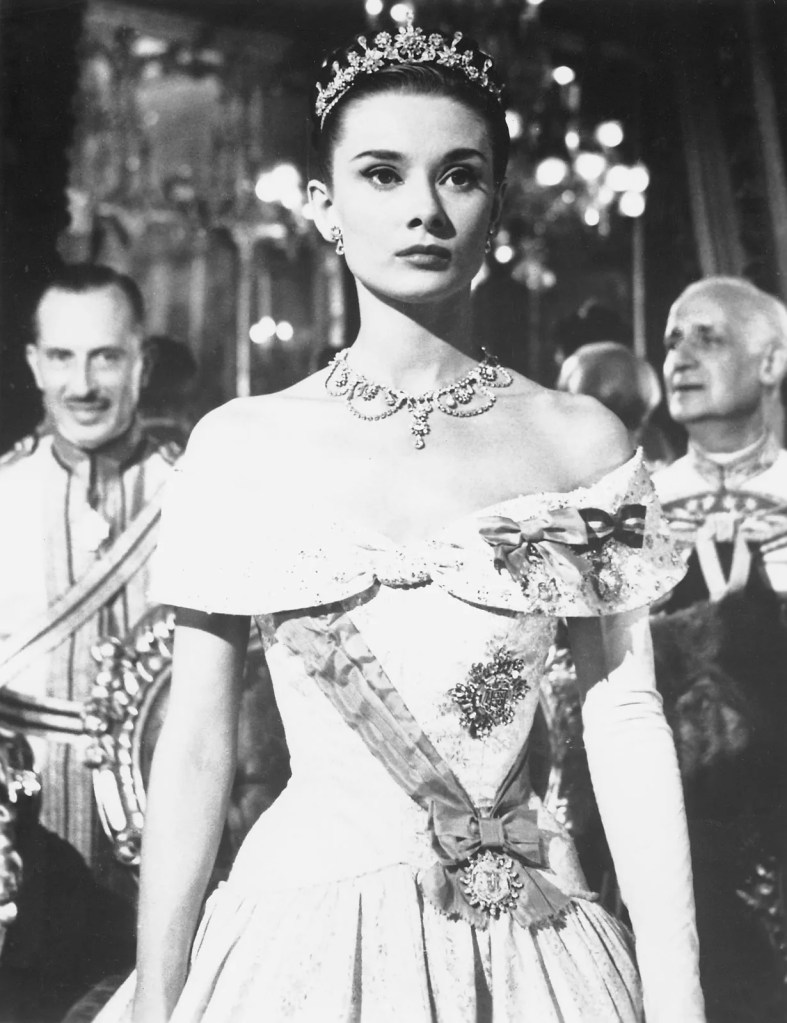
Audrey Hepburn was a special kind of star. Not a classy bombshell, but someone more accessible. In every Hepburn performance she is all charm and innocence; softened by pure affability. Her face and manner made men fall in love with her and women wanted to be her. She was the sort of woman where words like “sexy” or “hot” would be a pathetic waste and a clear miss of the mark. She was the sort of woman men write poems about.
Even in her bad films (like Funny Face) Audrey Hepburn is always likable and remains a highlight that elevates the piece if even by a margin. In her good films (like this one or My Fair Lady) she is a worshipful dream. She was one of the last stars to come out of the Golden Age of Hollywood; and if she is not definitively the best, she is still my personal favorite.
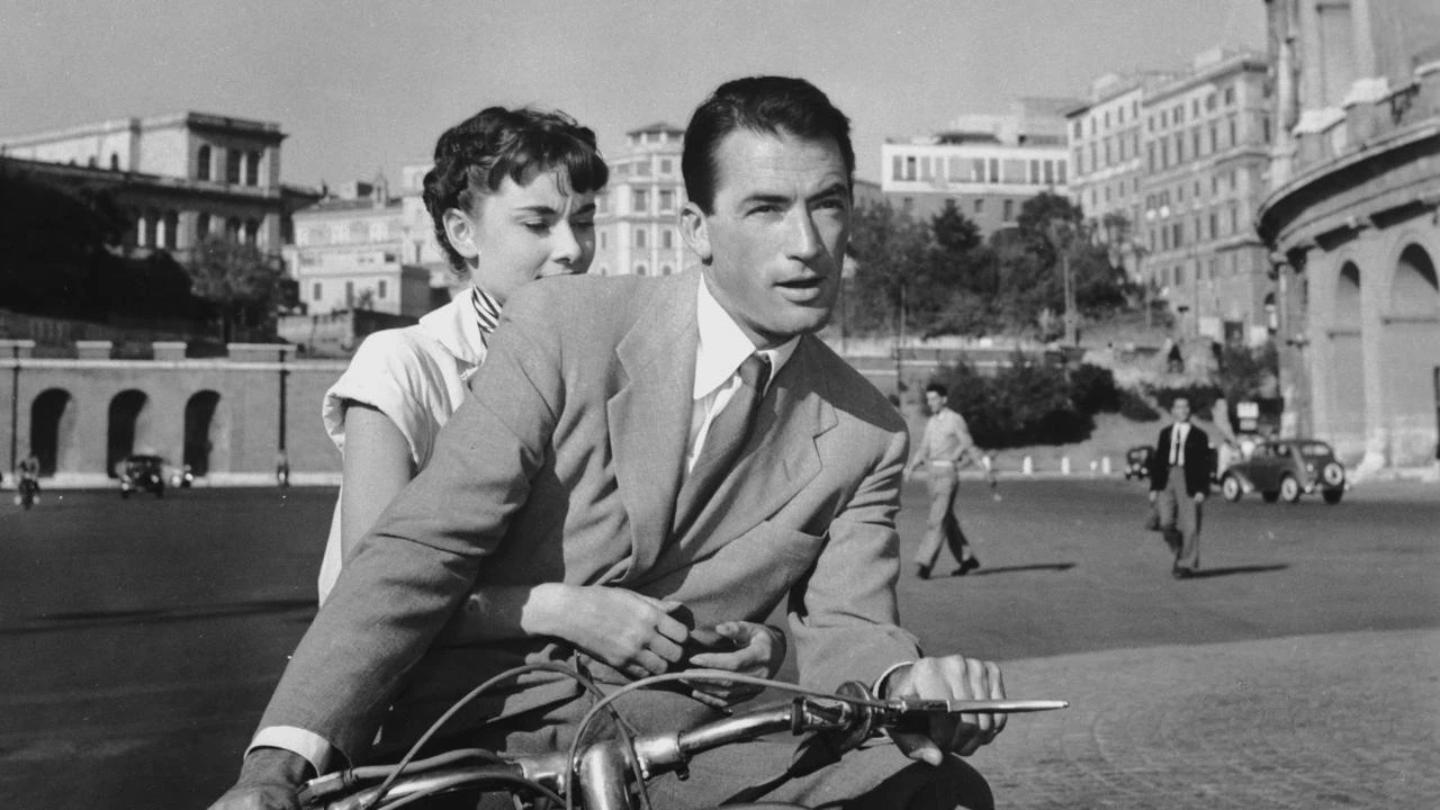
Director William Wyler’s (Ben-Hur) Roman Holiday may very well be the best of Hepburn’s movies; it certainly utilizes her screen persona to its fullest. She plays a bored royal named Princess Ann who, after a bad reaction to a drug meant to calm her nerves, runs away from her tight-knit existence and drunkenly wanders the streets of Rome (shot on location throughout) before meeting American journalist Joe Bradley (Gregory Peck). He doesn’t know who she is and innocently takes her to his apartment to sleep off the episode. Peck plays the complete gentleman, painfully aware of the potential for scandal; and even when she implies that less savory attention wouldn’t be unwelcome, he keeps distance out of respect for her drunken state. Peck strikes me as a sort of anti-Robert Mitchum, powerfully male, but clean cut and highly noble.
When he sees her face in the morning newspaper Bradley learns who she is and he sees an opportunity for an exclusive interview and an easy payout from his editor. This is easier said than done while Princess Ann keeps herself hard to pin down as she enjoys a new carefree freedom. Away from the pampered structured life to which she had hitherto been accustomed she soaks in Rome as a wide-eyed tourist rather than a VIP. She goes dancing, buys ice cream, gets her haircut, and gives Peck a near heart attack in the film’s most memorable scene when she wildly wrecks havoc through the Roman streets on a Vespa.
Of course, the pair eventually fall in love. The moment comes at a perfect time in which the audience has had time to fall in love with her as well. It’s clear that the few days that they spend together will remain in memory as the happiest time of their lives. When the film ends the time they had is tragically short and neither Bradley or Ann will quite replicate those feelings again. First love is like that.
At the end there is pain, but not misery. Back in her proper ceremonial place she and Peck must pretend to meet for the first time and not know each other. Their final departure is bittersweet, but there is no bitterness.
While watching Roman Holiday I was overwhelmed with a personal sense of nostalgia for the days when I was a youth and in love for the first time. Like with the characters in the film, there is a lingering ache tempered with positive experiences that will carry into the remainder of my days.
The best films leave us with real feelings. They bring out our emotions without manipulation and outrageous pathos. Romantic comedies often fail in this regard, but Roman Holiday happily does not. Even when it is being silly it recalls to mind sincere feelings of lost youth and how love at that age is an adventure, best remembered but not to be recaptured. The movie made me sad as well as happy. The mark of an excellent film is its way to evoke different feelings depending on the age of the viewer. When I was younger Roman Holiday would have been a reflective bit of charming fun. Now that I am a little older it recalls to mind feelings that are more real.
I look forward to revisiting Roman Holiday as an elderly man and see how it makes me feel then.

